

 Sep 30, 2026
  6 min read
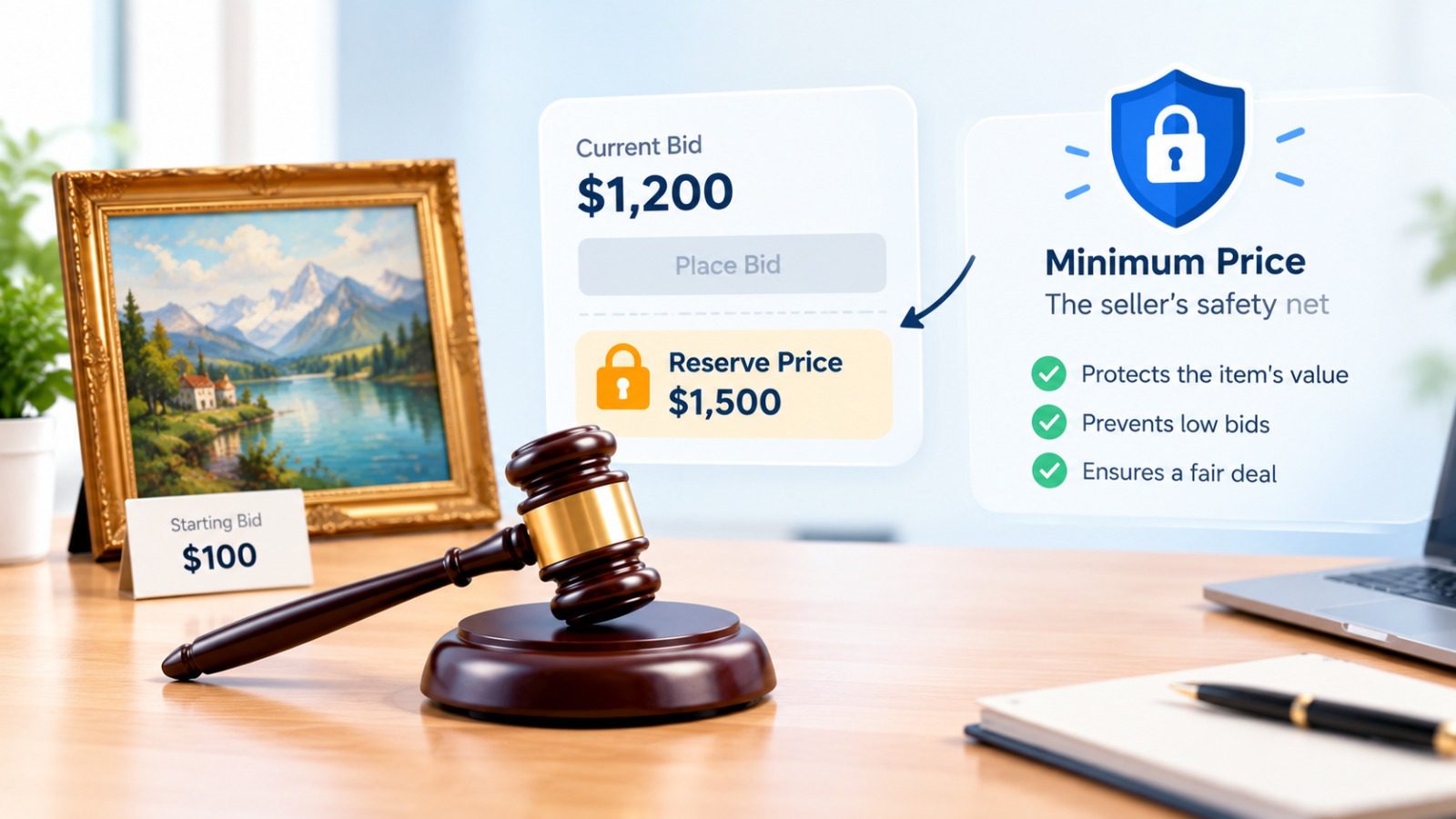
A reserve price is the lowest amount a seller will accept for an item. If bidding doesn’t reach it, the item doesn’t sell, no matter how high the bids go. This guide is for sellers setting up an auction and for bidders who keep seeing “reserve not met” and wondering what it means. You’ll learn how a reserve price works, how it’s different from a starting bid, and when to use one.
Quick answer: A reserve price is the minimum a seller will accept, and it’s usually hidden from bidders. A starting bid is the first number shown on the listing, and it’s always visible. An item can have a low starting bid and a much higher reserve, which is exactly how most auctions get bidders in the door.
A reserve price is the floor the seller sets privately. If the highest bid doesn’t reach it, the auction ends with no sale.
Sellers use a reserve to protect against selling too cheap. Say someone lists a guitar worth $800 with a $20 starting bid to get people bidding. Without a reserve, a slow auction with only one bidder could end at $25. With an $400 reserve, the seller is protected: no sale happens below that number, full stop.
Most platforms don’t show the reserve amount. Bidders only see a label like “Reserve not met” next to the current high bid. Some auction houses do publish numbers, usually as a range (“estimate: $500 to $700”), which hints at the reserve without stating it outright.
A starting bid is the first number on the listing. A reserve price is the minimum the seller will actually accept, and the two are often set far apart on purpose.
| Starting bid | Reserve price | |
|---|---|---|
| Visible to bidders? | Yes, always | Usually hidden |
| Purpose | Gets bidding started | Protects the seller’s minimum |
| Can an item sell below it? | Yes, nothing stops that | No, by definition |
| Set by | Seller | Seller |
Here’s the part that confuses people. A $10 starting bid with a $300 reserve is common, and it’s not a trick. The low entry point gets more bidders to click “bid” at all, because $10 feels low-risk. Once a few people are in, bids tend to climb past the reserve anyway, driven by the same competitive pull that runs any English auction.
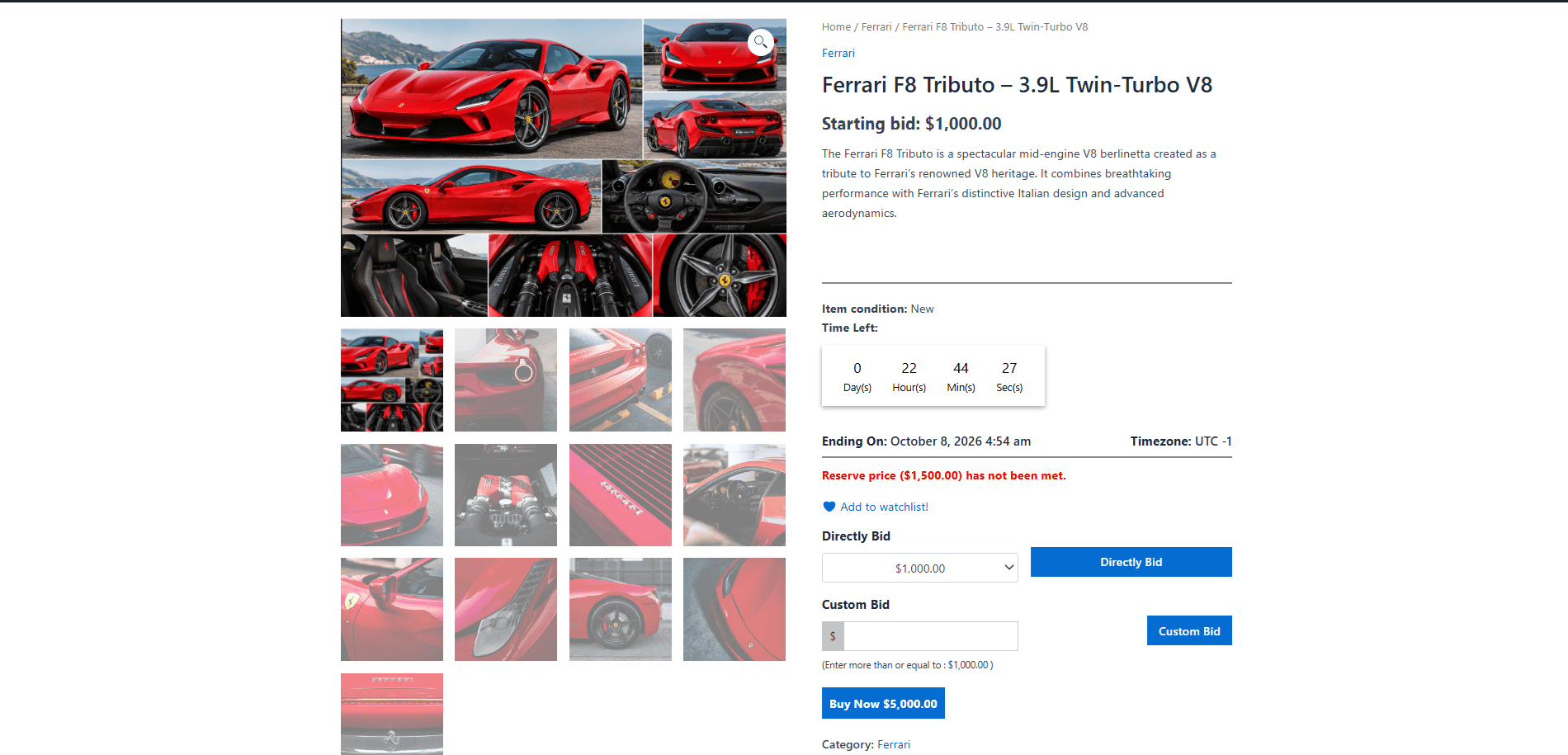
A starting bid with no reserve means the seller really will accept whatever the final bid is. That’s what a no reserve auction means, and it tends to pull in more bidders precisely because there’s no hidden floor to clear.
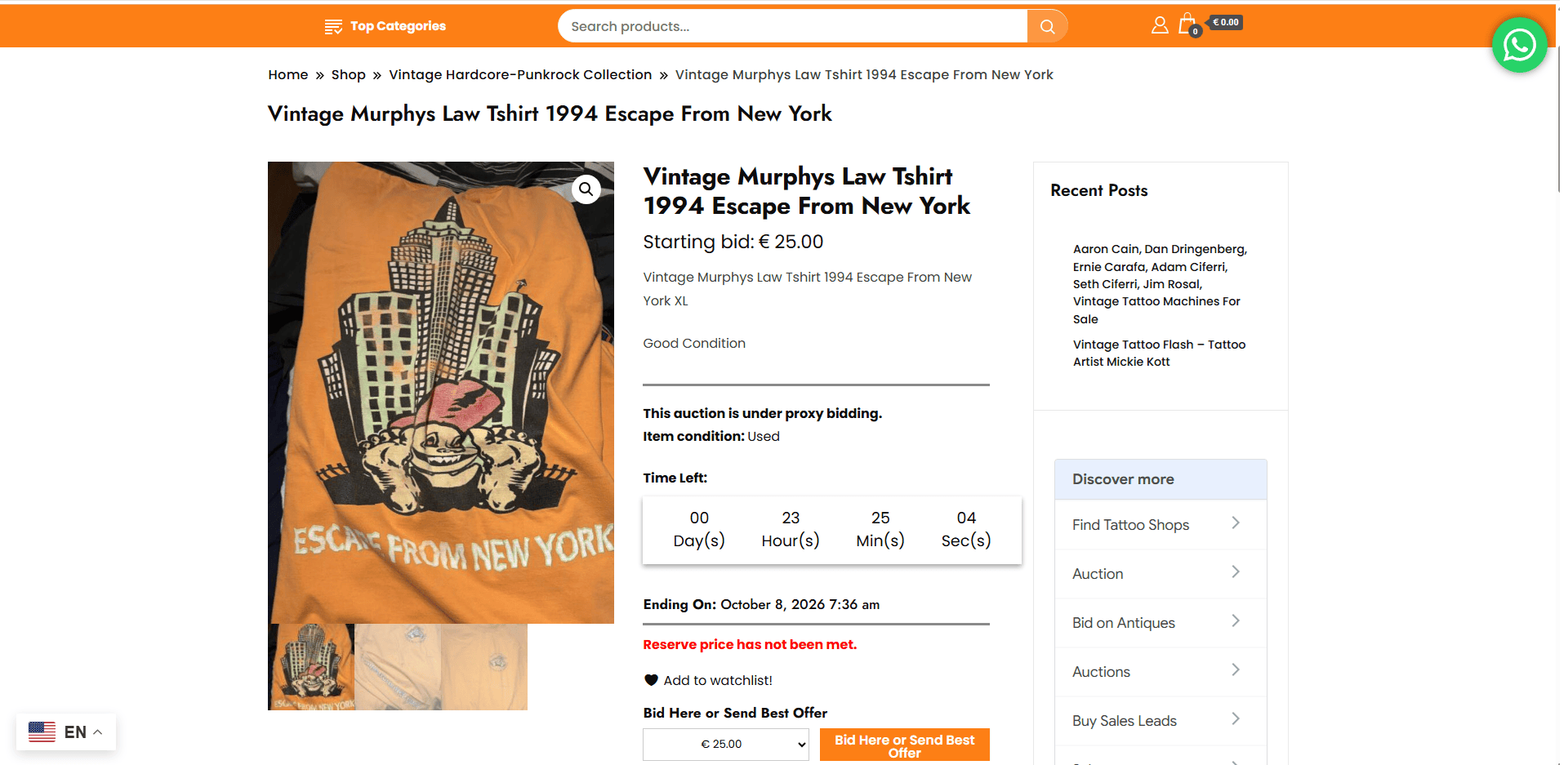
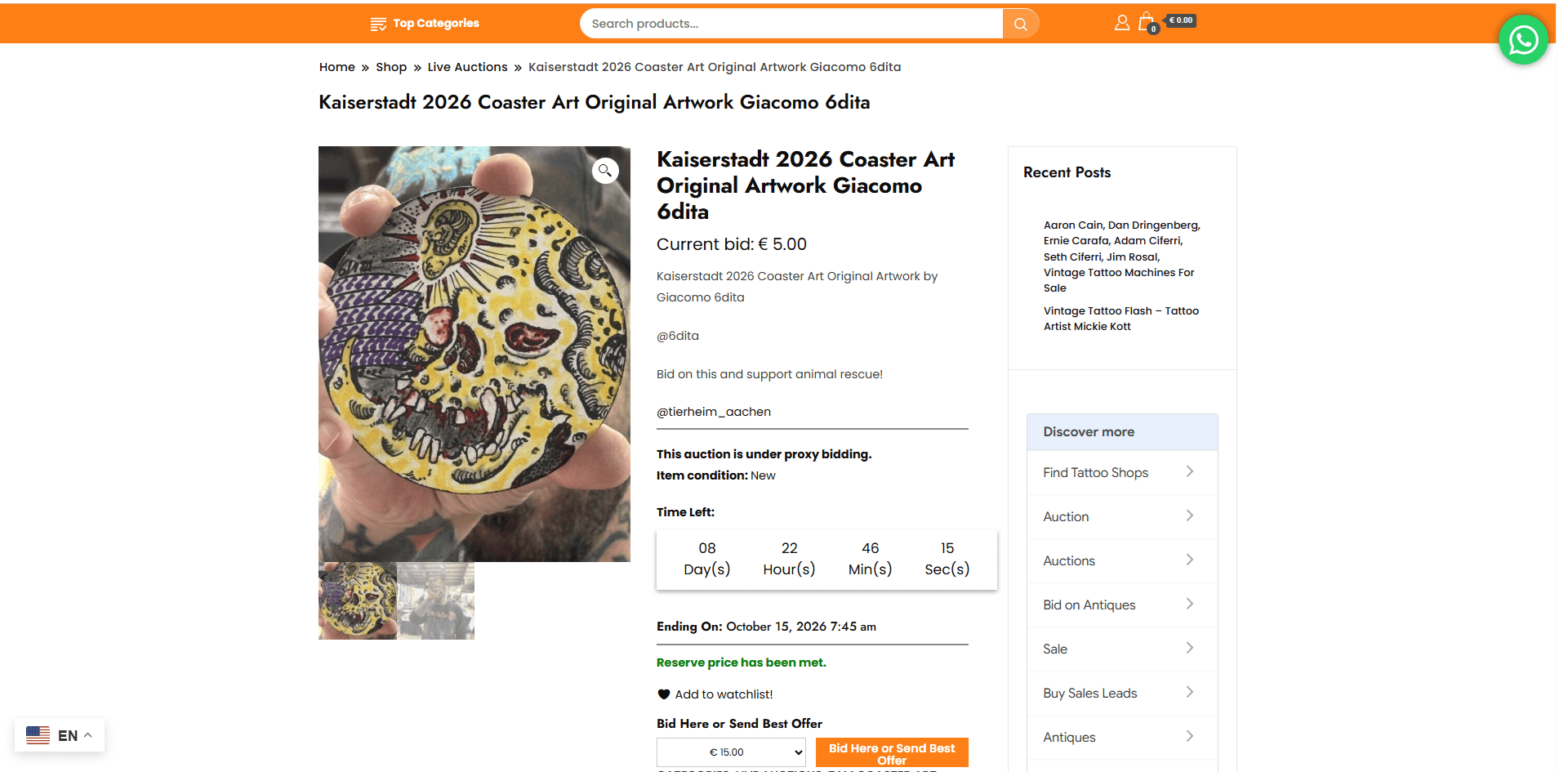
Sellers use a reserve to avoid selling an item for far less than it’s worth, especially when demand is hard to predict.
A reserve matters most for higher-value or one-of-a-kind items; a car, a piece of art, a vintage watch, anything where the seller has a real number in mind below which the sale just doesn’t make sense. It also matters for sellers who don’t control the audience size. A packed charity gala might push bids well past any floor on its own. A smaller online auction with a handful of bidders might not, and that’s exactly when a reserve earns its keep.
The tradeoff is trust. Bidders who watch “reserve not met” play out on item after item start to feel like they’re wasting time. Some auction sites now show “reserve almost met” messaging specifically to keep bidders engaged instead of walking away.
If the highest bid falls short of the reserve, the item doesn’t sell and the auction closes with no winner.
The seller then has a few options, and the right one depends on the platform and how far off the bidding ended up. Some sellers relist with a lower reserve or no reserve at all. Others contact the top bidder directly to negotiate, since that bidder has already shown real interest. A few platforms allow the seller to accept the top bid anyway, even though it’s technically below reserve. This is sometimes called a “reserve override,” and it’s always the seller’s choice, never automatic.
Most platforms lock the reserve once the auction starts, so sellers can’t quietly raise it mid-auction as bids come in.
That rule protects bidders. Imagine bidding $300 on an item, watching the reserve stay unmet, then finding out the seller bumped it to $500 once your bid got close. Nobody would trust the format after that. Some platforms do allow a seller to lower the reserve while the auction is live, usually because interest is lower than expected and the seller would rather sell than relist.
Use a reserve for items with real resale value where selling too cheap would actually hurt. Skip it for items you mainly want to move, where any sale beats no sale.
A no-reserve auction tends to pull in more bids, because bidders know every bid has a real shot at winning. A reserve auction protects the seller but risks bidders losing interest if “reserve not met” turns up too often.
For sites that want it both ways, a soft compromise works: start low, keep a modest reserve, and show bidders a “reserve almost met” signal as they get close. That keeps the early energy of a no-reserve listing while still protecting the seller’s floor.
If you’re weighing reserve against a fixed price listing entirely, our guide on proxy bidding vs manual bidding covers how bidders actually chase a reserve in practice.
If you’re setting up your next listing, decide your reserve before you decide your starting bid, not after. Work backward from the lowest number you’d genuinely accept, then set a starting bid low enough to pull people in. Our guide to proxy bidding shows how bidders can chase that reserve automatically instead of watching the clock themselves.


Nitesh Singh is an e-commerce software architect and the Founder of Inception Software LLP. He has 16+ years of software engineering experience and has been building dedicated auction extensions for the WordPress and WooCommerce ecosystems since 2014. Connect with Nitesh on LinkedIn to track his latest developments in automated bidding tech or read his setup guides on the site.
More articles by Nitesh Singh →




 Easy Setup
 5 Star Support